- Call Us: (212) 374-1425
- Email: info@virtuosorealtygroup.com

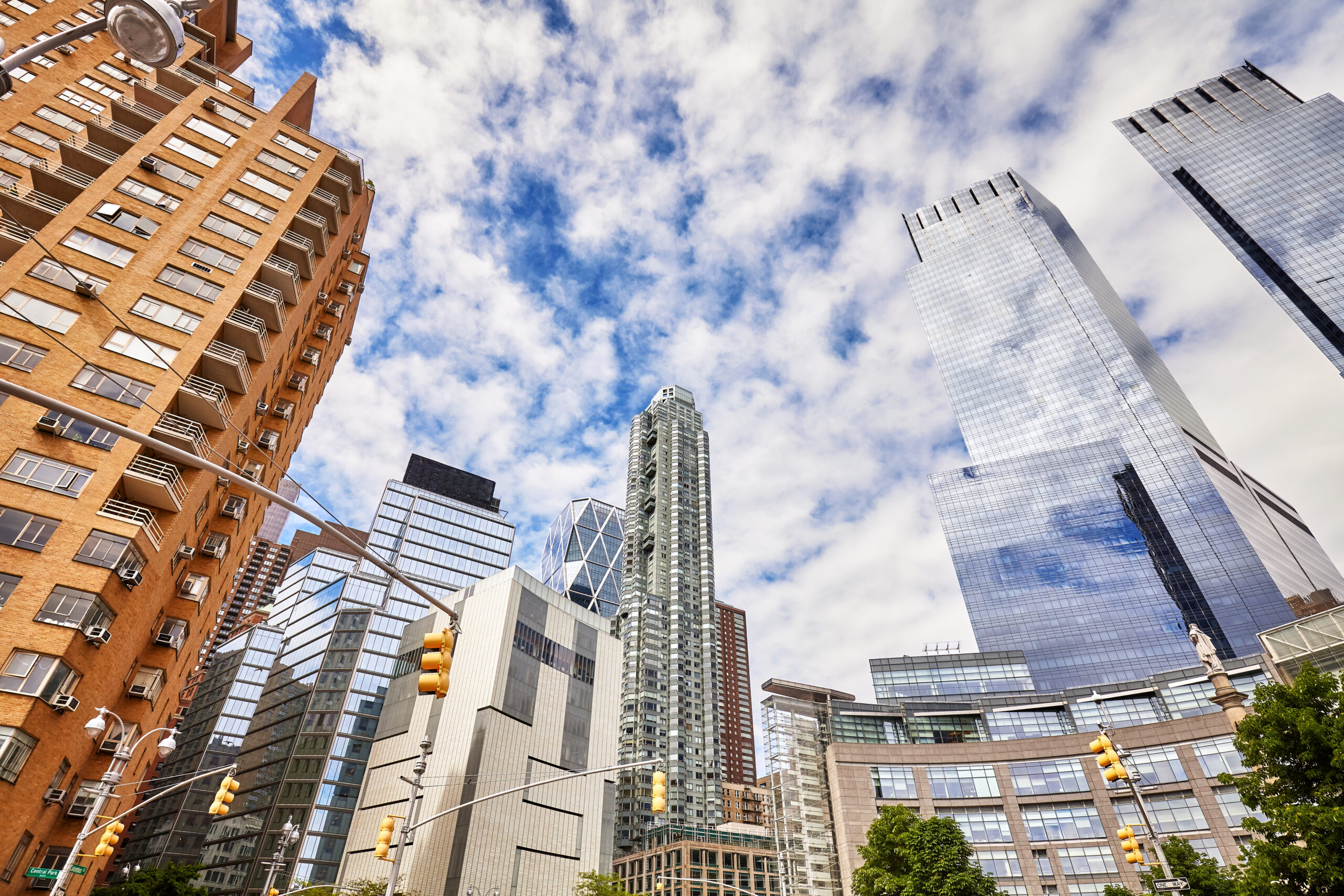
Manhattan’s commercial real estate market continues to be influenced by one key driver: tourism. Visitor activity has strengthened in recent years, with both domestic and international travel contributing to more consistent foot traffic across the borough’s main retail and hospitality corridors.
This steady return of visitors is supporting leasing activity in areas such as Fifth Avenue, SoHo, Times Square, and the Meatpacking District. These locations benefit from high visibility and consistent pedestrian flow, which remain important factors for retailers evaluating new space.
Retail demand has gradually improved as brands re-engage with the market. Manhattan continues to attract flagship stores, international retailers, and experience-focused concepts that rely on strong in-person engagement. Prime corridors have shown more leasing momentum, while some secondary streets are still working through higher availability.
This trend is reflected in occupancy patterns. Well-located retail spaces with consistent foot traffic are leasing more steadily, while other areas are recovering at a slower pace. Landlords are placing greater emphasis on tenant mix, often prioritizing brands that can draw both visitors and local customers.
Hospitality activity has also benefited from increased travel. Hotel occupancy and room rates have improved compared to prior years, supported in part by the return of international tourism. Restaurants and food and beverage operators in high-traffic neighborhoods continue to see the impact of this visitor activity, particularly in areas that combine dining, retail, and entertainment.
Mixed-use properties are performing relatively well in this environment. Spaces that integrate retail, dining, and hospitality uses tend to generate consistent activity throughout the day, which can support more stable occupancy over time.
At the same time, the market remains uneven. Prime retail corridors continue to outperform, while other locations are stabilizing more gradually. This difference highlights how closely leasing performance is tied to foot traffic and overall visitor patterns.
Tourism trends today are not only about the number of visitors, but also how they spend their time and where they choose to go. These patterns are shaping leasing decisions and influencing how retail and hospitality spaces are positioned.
Virtuoso Realty Group closely tracks these shifts to help clients better understand where demand is strengthening. By focusing on visitor trends, corridor performance, and tenant activity, VRG provides insight into how market conditions are evolving and where opportunities may emerge.
Manhattan’s market continues to adjust, but tourism remains a consistent factor in supporting retail and hospitality performance. Understanding that relationship helps provide clarity in an otherwise complex environment.
July 6, 2026
June 23, 2026
June 17, 2026
June 1, 2026
May 19, 2026