- Call Us: (212) 374-1425
- Email: info@virtuosorealtygroup.com


Finding the right commercial tenant involves more than filling a vacant space. For commercial property owners, the type of business that occupies a property can influence its long-term performance, stability, and value. A thoughtful leasing strategy focuses on matching the right business with the right location. One of the first considerations is setting a competitive rental rate..
Learn More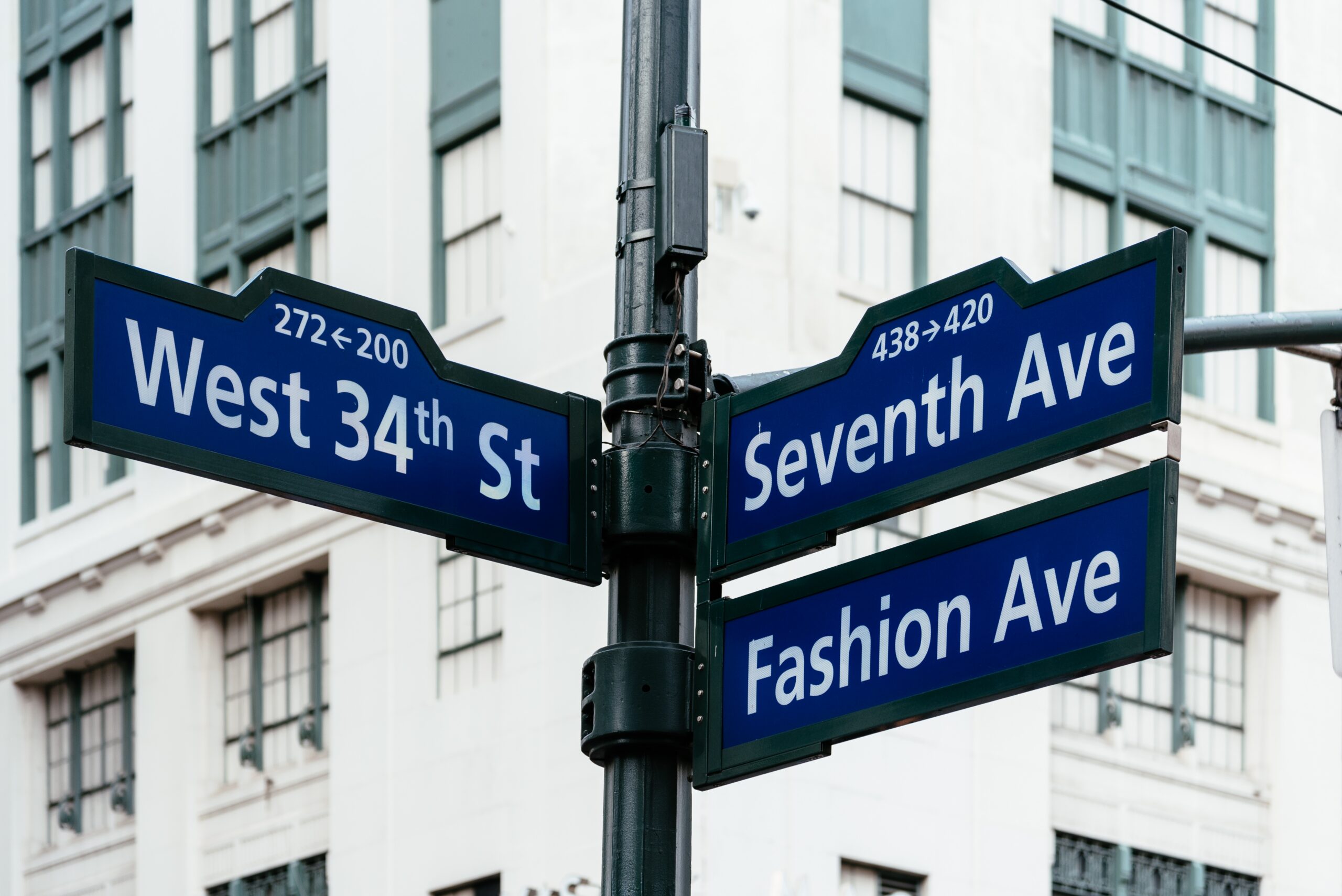
When searching for commercial space, it is easy to focus on properties that are move in ready. While those spaces can make sense for some businesses, they are often the most competitive and the most expensive. In many cases, a commercial property that needs improvements can present a stronger long-term opportunity. The value of a commercial property is not determined solely by its appearance..
Learn More
When negotiating a commercial lease, many business owners focus on securing the lowest possible rent. While rental rate is important, it is only one part of the overall agreement. The structure of a lease can have just as much impact on a business’s financial performance as the monthly rent itself. In some cases, a higher rental rate may be paired with more favorable terms that reduce costs elsewhere.
Learn More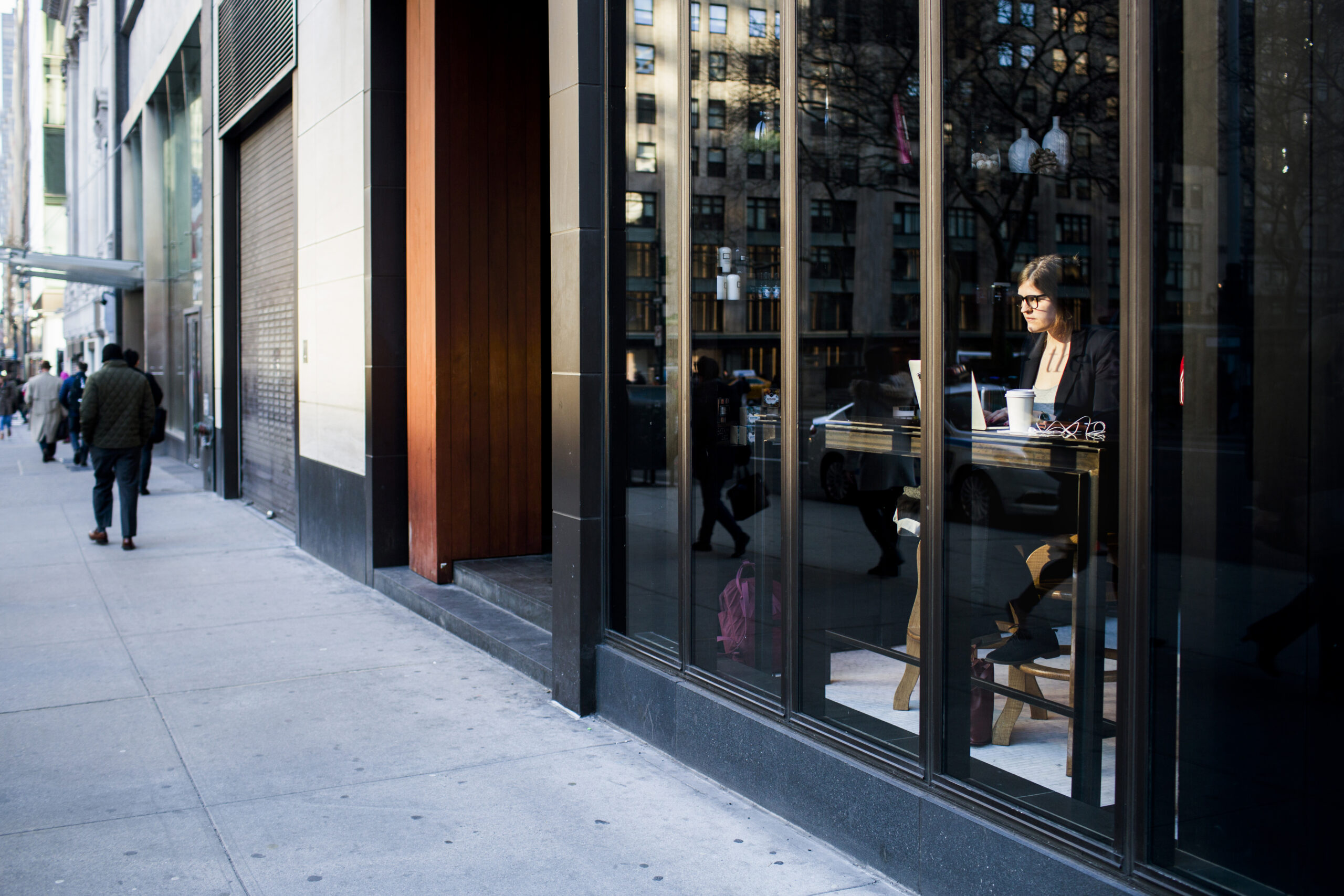
Commercial real estate decisions are rarely one size fits all. Whether you are leasing your first storefront, expanding a growing business, acquiring an investment property, or managing a portfolio of commercial assets, every transaction requires a strategy based on current market conditions and your long-term objectives.
Learn More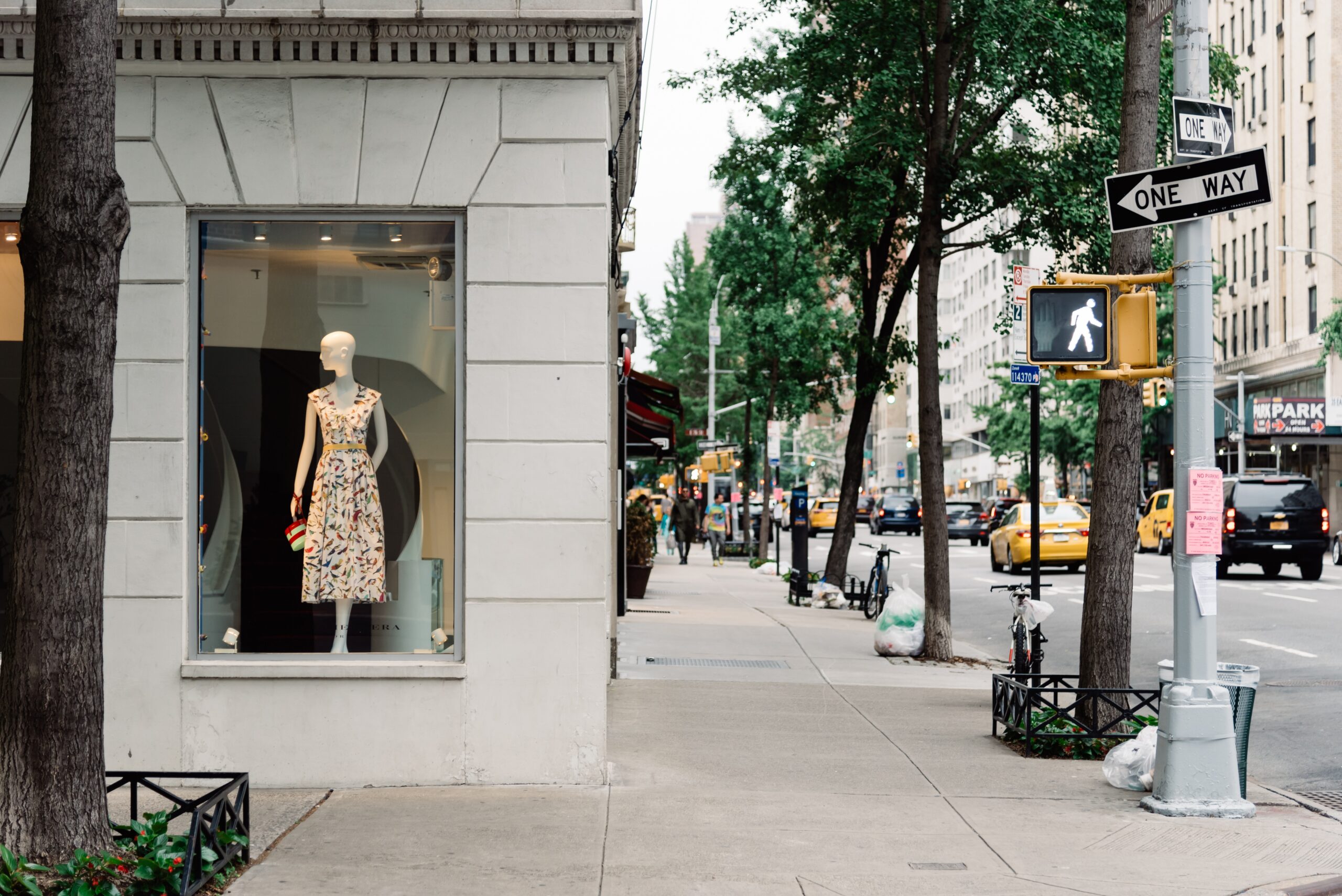
Every commercial real estate investor has different goals. Some are acquiring their first investment property, while others are expanding an established portfolio.
Learn More
Signing a commercial lease is one of the most significant commitments a business owner can make. Yet one of the most common mistakes first time entrepreneurs make is negotiating that lease without professional representation.
Learn More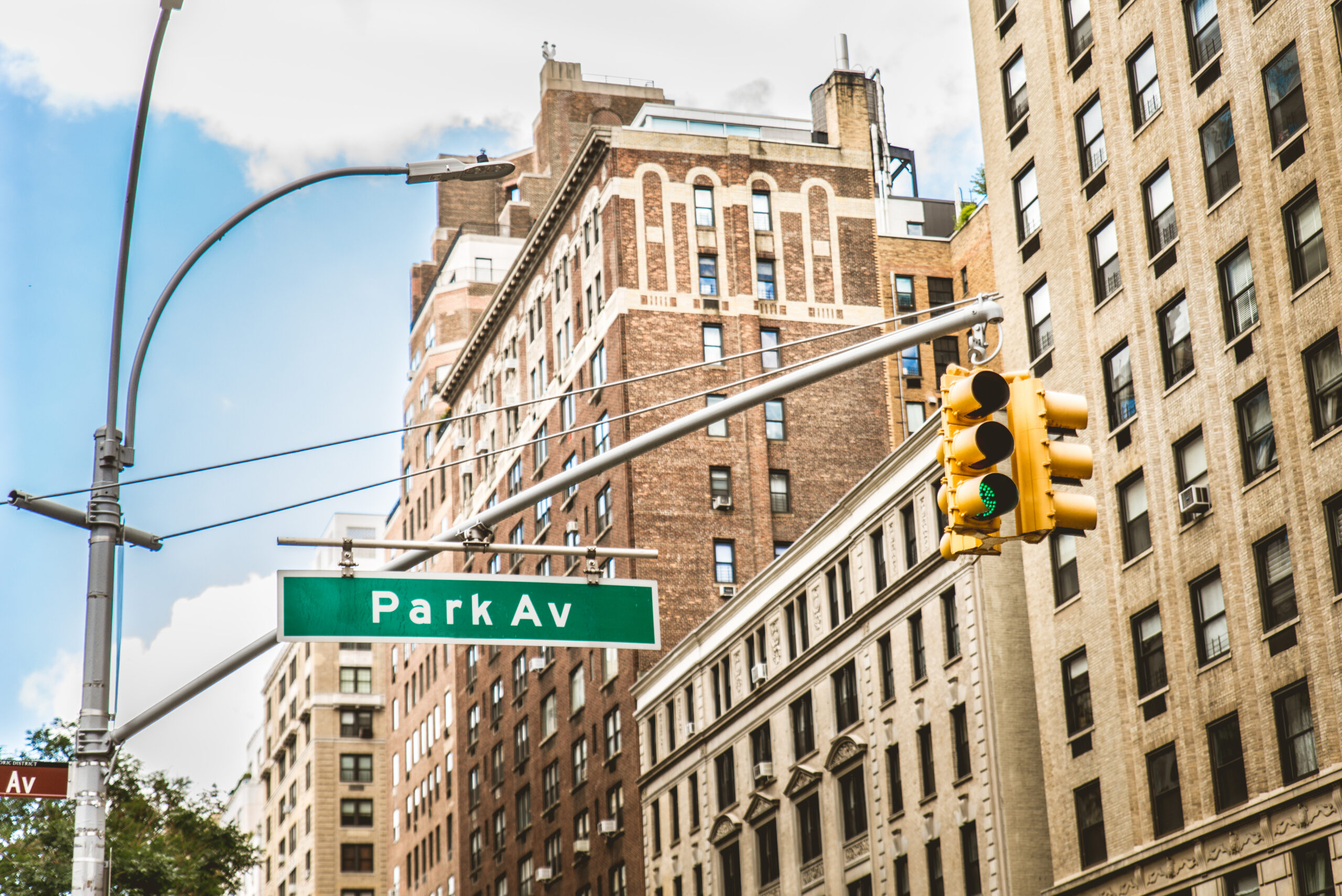
Selling or leasing commercial real estate involves more than listing a property on the market. Every asset has a different story, a different set of opportunities, and a different group of buyers or tenants who may see value in it. Successfully positioning that property requires a combination of market knowledge, strategic marketing, and thoughtful representation.
Learn More
When planning to open a business, most entrepreneurs focus on startup costs like rent, construction, equipment, inventory, and marketing. While these expenses are important, unexpected costs after opening can have just as much impact on the success of the business.
Learn More
Leasing a commercial space is only one part of the investment required to open a brick and mortar business. While most entrepreneurs budget for rent, construction, utilities, and equipment, many of the ongoing operating expenses are less obvious and can significantly affect cash flow after opening.
Learn More
Running out of space is often viewed as a sign of success, but it does not always mean the next step is moving into a much larger location. Before expanding, business owners should evaluate whether growth is sustainable and what type of space best supports their long-term goals.
Learn MoreNovember 10, 2026
November 3, 2026
October 27, 2026
October 20, 2026
October 13, 2026